Cash, ATMs, Tipping & Bargaining in China
The money questions that come up after the QR code: which ATMs work, when to tip (almost never), and where bargaining is expected.
Cash is legal tender, not the default
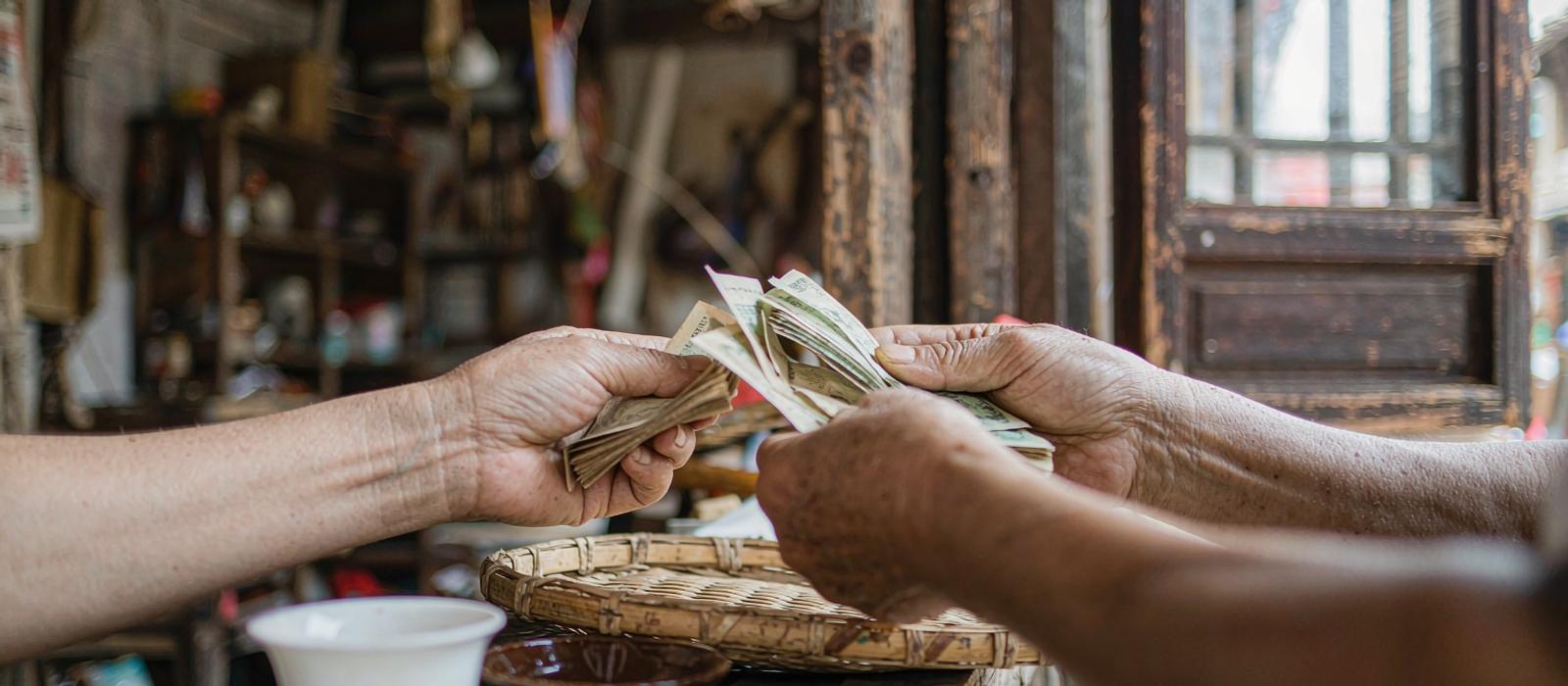
You can pay for almost anything with a phone, and most locals do. But cash remains legal tender: a merchant cannot refuse it, and it is genuinely useful in villages, at temples and when a reader is down. A 300–500 RMB float in 20s and 50s covers a two-week trip comfortably.
ATMs that actually accept foreign cards
Bank of China, ICBC and China Construction Bank are the reliable three; their machines usually offer an English interface. Look for the Visa, Mastercard or UnionPay International logo on the machine, not just on the door.
Always decline the ATM’s “convert to your home currency” offer. That conversion is done at a poor rate by the machine; let your own bank do it.
Withdrawal limits are commonly 2,000–5,000 RMB per transaction and per day. If a machine rejects your card, it is usually the limit rather than the card — try a smaller amount first.
Where cards work, and where they do not
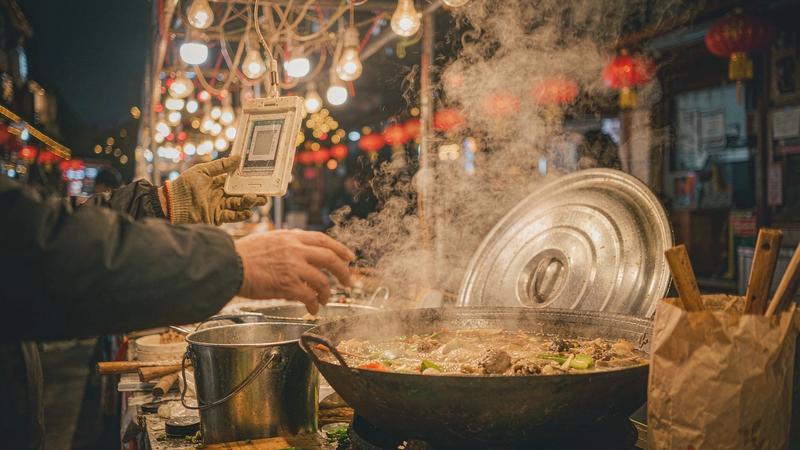
Hotels above the mid-range tier, airports, international chains and big malls accept foreign cards. Local restaurants, supermarkets, taxis and market stalls generally do not. Assume you need the phone or cash unless you can see a card terminal on the counter.
Tipping: the honest answer
Tipping is not expected in restaurants, taxis, hairdressers or hotels. Staff are paid wages and a tip can genuinely cause confusion or an awkward refusal. The exceptions are high-end hotels and private guiding, where a gratuity for exceptional service is understood but still optional.
If you want to reward good service, a small gift from home, or a written review that names the guide, tends to mean more than cash and is remembered longer.
Bargaining: where it is normal, where it is rude
- Expected: tourist markets, souvenir stalls, tailors, anything without a printed price tag
- Sometimes: independent taxi drivers for long intercity runs, agreed before departure
- Not appropriate: supermarkets, chain stores, restaurants, museums, metro ticket machines
At markets, opening at 60–70% of the asking price is a normal start, not an insult. Walk away politely if the gap stays wide; it is a routine part of the exchange, not a rupture.
Quick answers
Questions travelers ask
How much cash should I carry day to day?+
Around 200–300 RMB is plenty in cities. Raise it in rural areas where QR payments can be less reliable.
Should I tip tour guides?+
It is optional and not part of local custom. If a guide made the trip, a written review naming them is often more valued.
Are counterfeit notes a problem?+
Rarely, but large notes from informal vendors are worth a glance. Banks and ATMs are safe; 100 RMB notes are the usual concern.