
The Best Time to Visit China, Region by Region
China is as wide as a continent, so “best time to visit” is really six different answers. Here is the honest version.
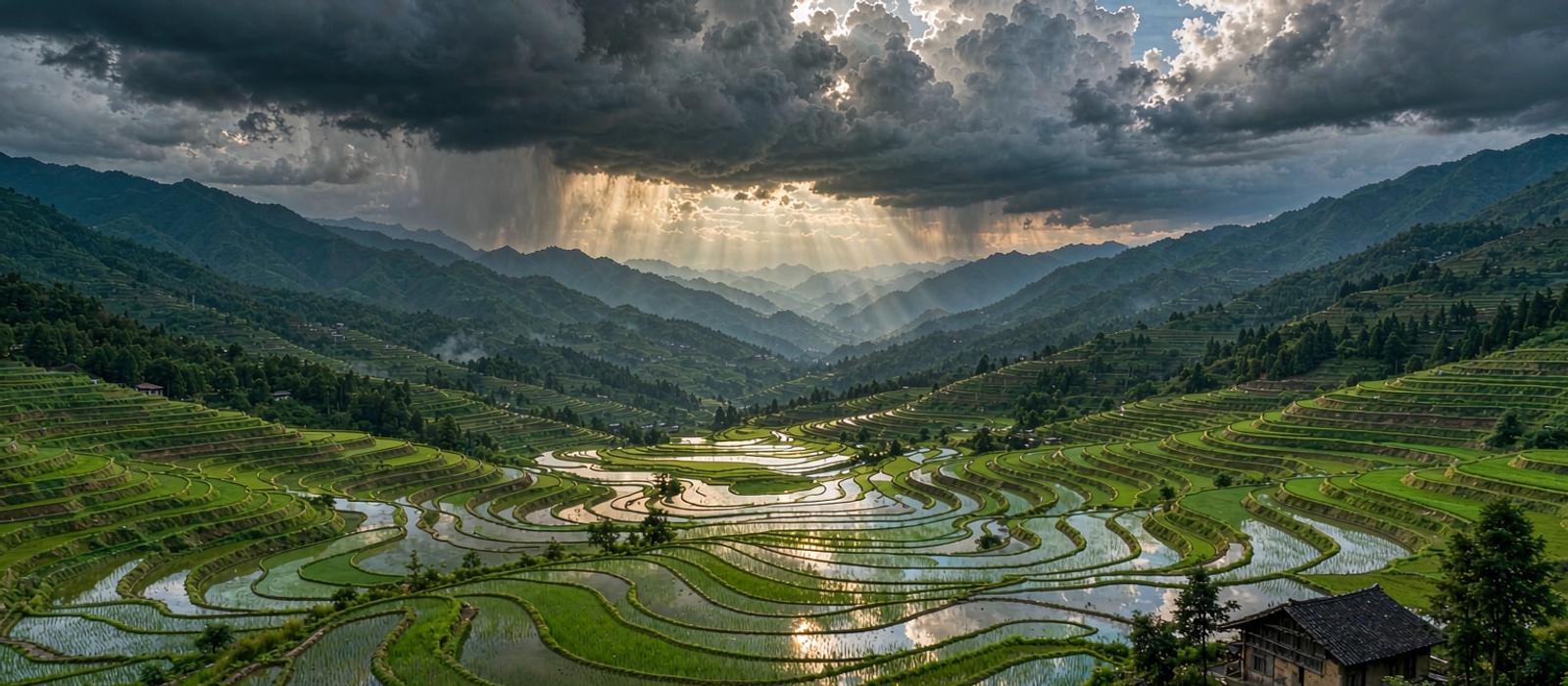
The honest answer
There is no single best month for China. Harbin is at its best in January, Guilin in April and October, Yunnan in the dry season, and Beijing in September. The useful question is not “when should I go to China” but “which region suits the weeks I have”.
North: Beijing, Xi’an, Shanxi
April to May and September to October are close to ideal: 15–25°C, clear skies, low humidity. Summer is hot and humid with frequent thunderstorms; winter is dry and cold but the Great Wall under snow is genuinely spectacular and almost empty.
- Best: late April, September, early October (before the holiday)
- Avoid: the National Day week, and July–August if you dislike heat
- Worth it: January for snow on the Wall, with proper layers
East: Shanghai, Hangzhou, Suzhou, Huangshan
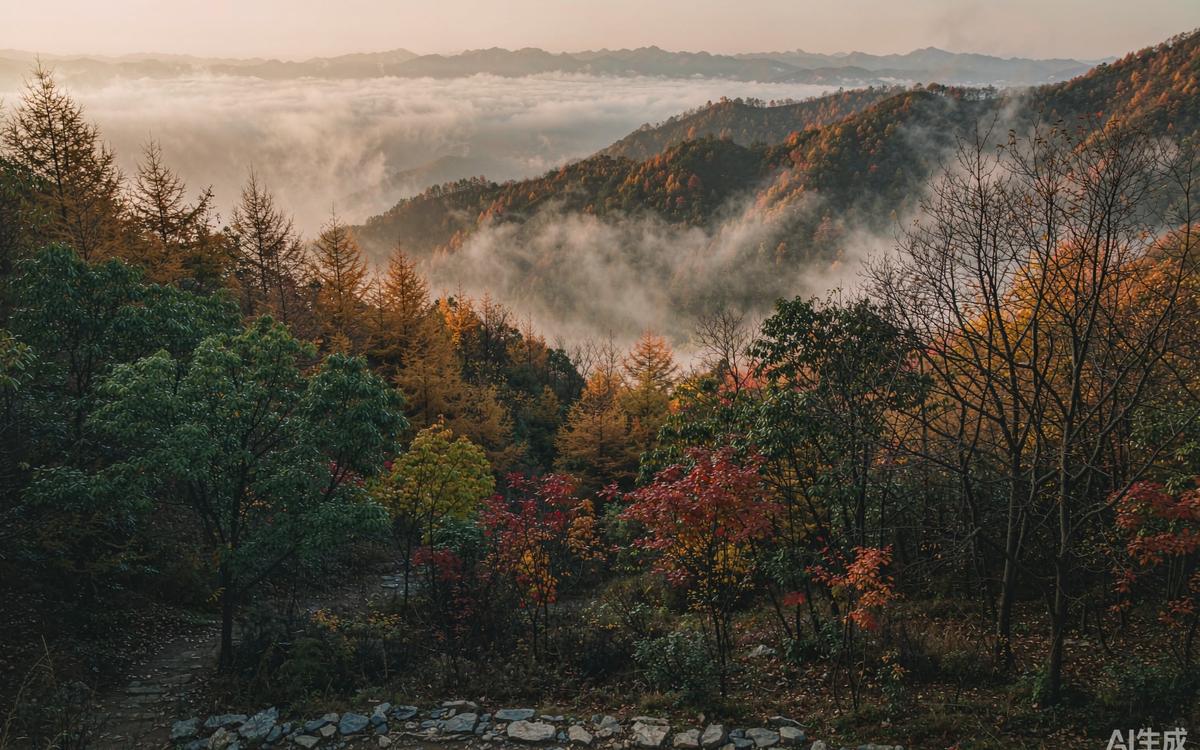
This is plum-rain territory. March to May is green and misty — beautiful for gardens and tea hills, wet for everything else. June to July is the rainy season proper. October and November are the most comfortable months of the year.
- Best: late March to April for blossoms, October to November for clear, mild days
- Avoid: the last week of June to mid-July if you want to stay dry
- Worth it: November for Huangshan, when the sea of clouds is most reliable
South: Guilin, Guangdong, Fujian, Hainan
Subtropical and long. October to December is the sweet spot: warm, dry, clear river reflections. Spring brings mist that photographers love and everyone else finds damp. Summer is genuinely hot and wet, with typhoons possible on the coast.
- Best: October to early December
- Avoid: July–August inland, unless you want tropical heat
- Worth it: Hainan in February, when the rest of the country is cold
Southwest: Yunnan, Sichuan, Guizhou
Yunnan has a dry season from November to April with brilliant blue skies and cold nights; the summer monsoon turns it green but hazy. The Sichuan basin is cloudy year-round, which is why the pandas do not mind it. Guizhou is best in spring and autumn.
- Best: Yunnan November–March; Sichuan March–April and September–October
- Avoid: Yunnan’s June–August if you want mountain views
- Worth it: February for Luoping’s rapeseed fields and Yuanyang’s flooded terraces
Northwest and Tibet: Gansu, Qinghai, Xinjiang, Tibet
Short seasons, long distances. June to September is the only reliable window for high passes and the Tibetan plateau. Shoulder months bring cold nights, closed passes and fewer crowds.
- Best: June to September, with July–August the warmest and busiest
- Avoid: November to March, when many routes and guesthouses close
- Worth it: late September for Gansu’s Danxia landforms in clear light
Northeast: Harbin, Changbaishan
Two seasons, both distinctive. January for the ice festival and −20°C, July and August for cool mountains and forests when the rest of the country is baking.
Crowds versus weather
The two rarely align. The best weather is also the busiest: October in Beijing, April in Hangzhou. If you can travel in the first two weeks of May or the last two weeks of September, you get most of the weather and far fewer people. If your dates are fixed by school holidays, choose the region rather than fight the crowd.
Quick answers
Questions travelers ask
Is winter a bad time to visit China?+
Only in the north if you dislike cold. Winter is excellent in Yunnan, Hainan and Guangdong, and the north is quiet, dry and photogenic with the right clothing.
When is the rainy season?+
Roughly June to July in the east and south, and June to August in the southwest. Rain tends to arrive in heavy bursts rather than all-day drizzle.
Which month has the fewest tourists?+
Late November and early March — after the autumn rush, before spring. Weather is mixed but crowds are thin and prices are low.