
What to Pack and How to Stay Well in China
Layers, shoes, plugs, prescriptions and the four health habits that prevent most travel days being lost.
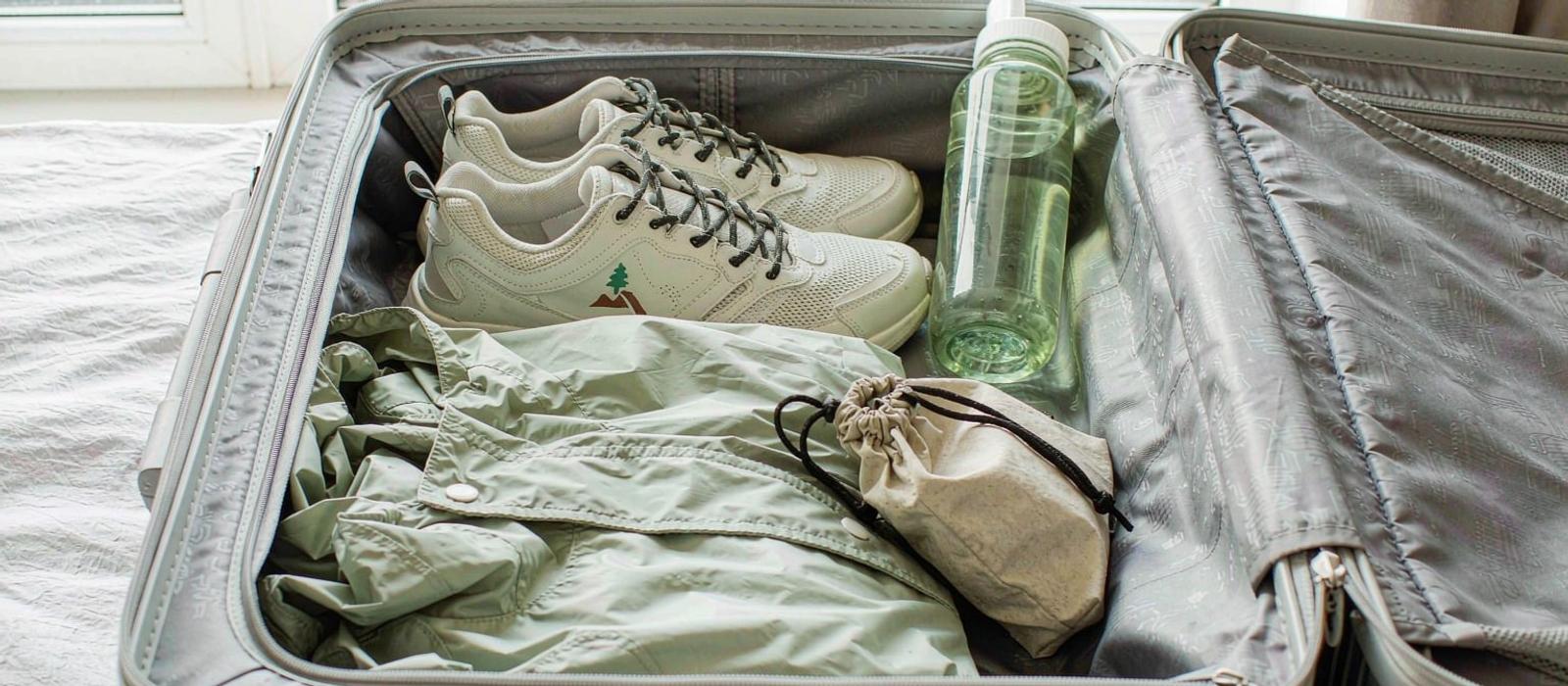
Pack layers, not outfits
Chinese weather is continental in the north and subtropical in the south, and air conditioning is strong in both. A trip that covers Beijing and Shanghai in the same week needs a light down jacket and a t-shirt. Three thin layers will serve you better than one heavy coat.
- One warm mid-layer that packs small
- A light waterproof shell — useful in every season
- Comfortable walking shoes, already broken in; you will walk 10–15 km on city days
- One smarter outfit for hotel restaurants and tea houses
- A scarf for temples, conservative sites and sudden air-conditioning
Plugs and power
China uses 220V at 50Hz with Type A, C and I sockets. Most European and Asian plugs fit without an adapter; UK and Australian plugs need one. Check that your devices are dual-voltage — laptops and phone chargers almost always are; hair dryers and electric shavers often are not.
Medicine and prescriptions
Bring prescription medication in its original packaging with the prescription or a doctor’s letter. Common categories — painkillers, antibiotics, sleeping aids — are available at pharmacies, but brand names differ and language is a barrier for anything specific.
Carry more of any regular medication than you think you need, split between two bags. Replacing a specific prescription in China is possible but slow, and not how you want to spend a morning.
Water and food
Do not drink tap water. Bottled water is cheap and everywhere; hotels provide kettles or dispensers, and boiled water is fine. Ice in hotels and better restaurants is usually made from filtered water; street-stall ice is a judgement call.
Most stomach trouble on trips is not “traveler’s flu” but a sudden change in fat, chilli and fibre. Ease in over the first two days rather than starting with a Sichuan hotpot.
Air quality
Air quality has improved substantially in most Chinese cities over the past decade, but winter haze days still happen in the north. If you have asthma or a respiratory condition, check a daily AQI reading in the morning and carry a mask for bad days. It rarely disrupts a trip, but it is worth planning around rather than being surprised by.
If you do get ill
Hotel staff can direct you to a hospital with an international or VIP department, which is more expensive and much easier to navigate. Bring your passport and insurance details. Payment is usually upfront; keep receipts for the claim.
Small things guests thank us for
- Pocket tissues — many public toilets have no paper
- Hand sanitiser and a few wet wipes
- A small power bank (you will use maps and translation constantly)
- A reusable shopping bag, since plastic bags cost money in most shops
- Earplugs: city noise and thin hotel walls are a real combination
Quick answers
Questions travelers ask
Can I drink the tap water?+
No. Bottled or boiled water only. Use bottled water for brushing teeth if you are sensitive.
Do I need a plug adapter?+
From Europe or Asia, usually not. From the UK, Ireland or Australia, yes — Type I or G to A/C.
Is it safe to eat at street stalls?+
Choose busy stalls with high turnover and food cooked in front of you. Avoid anything that has been sitting out warm.