Getting Around Chinese Cities: Metro, Taxi & Transfers
Metro systems are excellent, taxis are cheap, and the only real difficulty is telling a driver where you are going.
Start with the metro
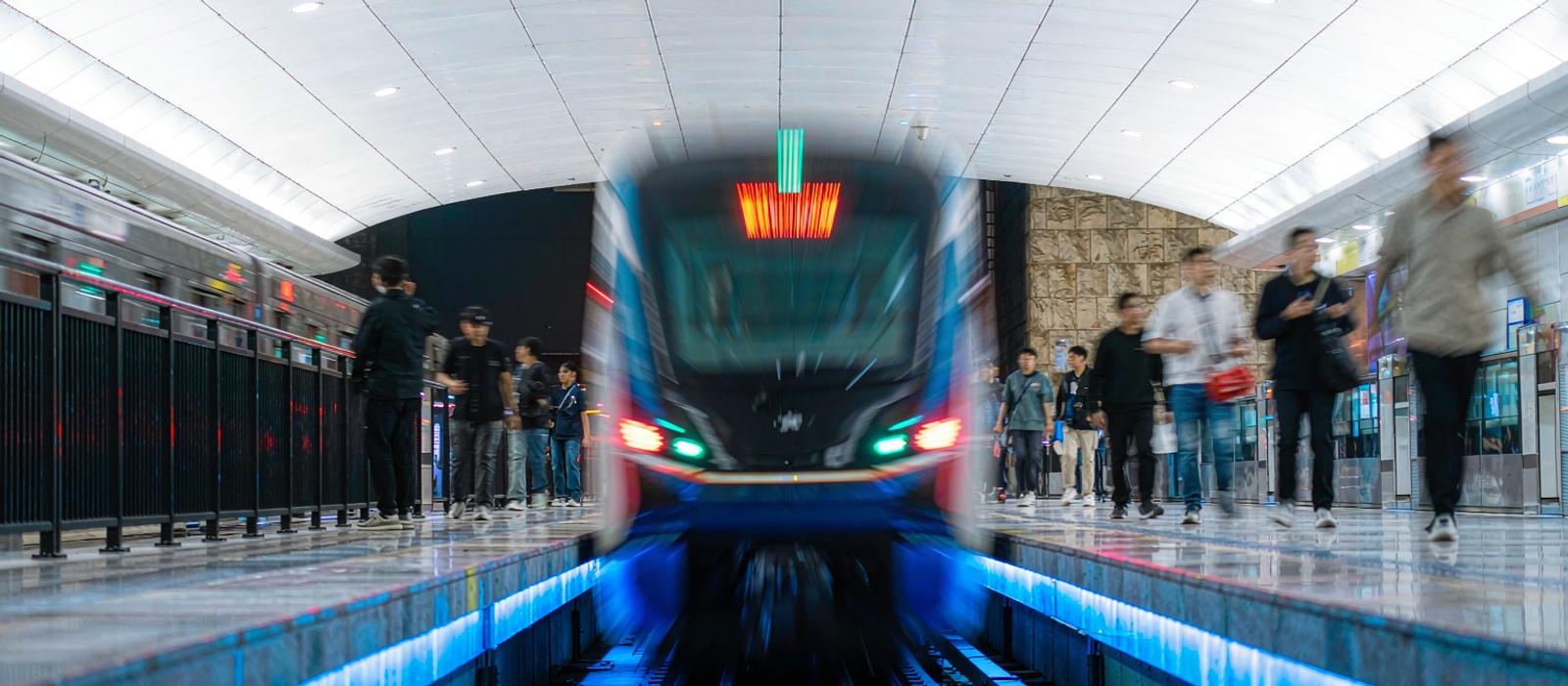
Every major Chinese city has a metro that is clean, cheap, air-conditioned and signed in English. Fares run 3–8 RMB and are paid by scanning Alipay or WeChat at the gate, or by buying a single ticket from a machine with an English menu. Trains run every two to five minutes until around 23:00.
There is one habit worth adopting: station exits are numbered, and the number matters more than the station name. “Exit 3” is how locals give directions, and it is how you should read your map.
Ride-hailing is easier than hailing
DiDi is the local equivalent of Uber and works with foreign cards. You set the destination on the map, so no conversation is required, and the fare is shown before you accept. English-language support exists, and the app can message the driver on your behalf.
Drivers will call you even though you cannot speak. Answering and saying your name, or sending a message through the app, usually resolves it. The app shows the plate number, which is what you actually need.
Taxis and the language problem
Street taxis are plentiful and metered, starting around 13–14 RMB. The difficulty is entirely linguistic: many drivers do not read Latin script, so an English hotel name means nothing.
- Ask your hotel for a card with the name and address in Chinese
- Show the address on your phone, at the largest text size
- Add the nearest landmark or metro station
- Have the phone number ready in case the driver wants to call
Avoid unlicensed cars that approach you at stations and airports. They quote a flat fare that is usually double the meter.
Airport transfers
Every large airport has a metro or airport express into the city, typically 20–60 minutes and under 30 RMB. After the last train — usually around 22:30 — the options are a metered taxi queue or a pre-booked car. If your flight lands late, arrange the transfer in advance; it is the one place where arriving without a plan costs real money.
Bikes, buses and walking
Shared bikes are everywhere and cost about 1.5 RMB per 30 minutes through Alipay. They are ideal for hutongs, lake loops and the last kilometre, but cycling on a main arterial road at rush hour is not a gentle introduction. Buses are cheap and frequent but the routes take experience to read. For anything under two kilometres, walking is usually faster than the metro once you count the stairs.
Quick answers
Questions travelers ask
Is DiDi available in English?+
Yes, the app supports English and accepts foreign cards. Setting the destination on the map removes the language barrier entirely.
How late does the metro run?+
Most systems stop around 22:30–23:00, with later service on Fridays and Saturdays in big cities. Plan the last ride rather than assume.
Do I need a transport card?+
No. Alipay and WeChat both have metro mini-programs that work as a ticket in most cities.