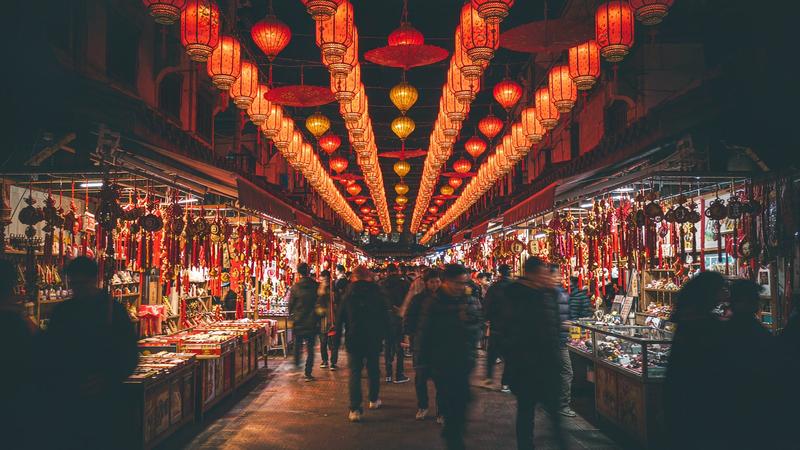
Etiquette in China: What Actually Matters
Skip the list of myths. These are the handful of habits that change how you are treated, and the ones nobody cares about.
The honest short version
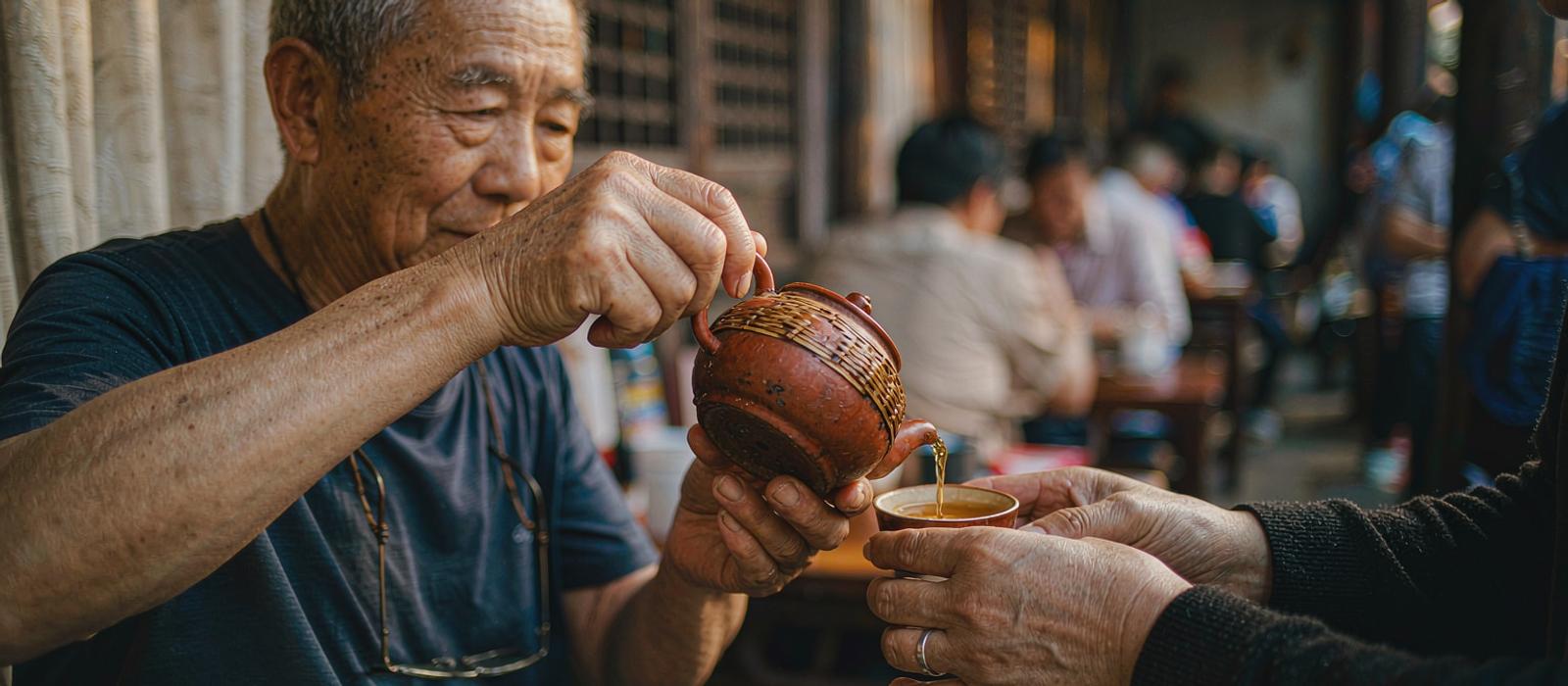
Chinese social etiquette is less about ritual and more about attention: noticing who is older, who is hosting, who has travelled further. Visitors who are simply warm, curious and a little deferential get on fine. The famous rules — never stick chopsticks upright, never give a clock — matter far less than whether you look people in the eye and say thank you.
Greetings and names
A handshake is standard in business and increasingly in daily life; a slight nod works everywhere else. Chinese names put the family name first, so Ms. Wang’s given name is not Wang. If someone introduces themselves with an English name, use it — many people adopt one for exactly this reason.
“Ni hao” (你好) is enough for hello. “Xie xie” (谢谢) for thanks. Attempts at the language are appreciated even when the pronunciation is rough, and nobody expects more.
At the table
- Dishes are shared; you take from the centre rather than eating only your own plate
- Elders and hosts are served first — wait for them to start
- Chopsticks upright in rice mimics incense at a funeral; lay them across your bowl
- Leaving a little food is fine and often reads as “I have had enough”, not as waste
- Toasting is common at dinner: glasses are tapped lower than the other person’s as a small mark of respect
If you are the guest, expect to be urged to eat more than you planned. A polite “I am full, it was excellent” repeated twice is understood and does not offend.
Gifts and face
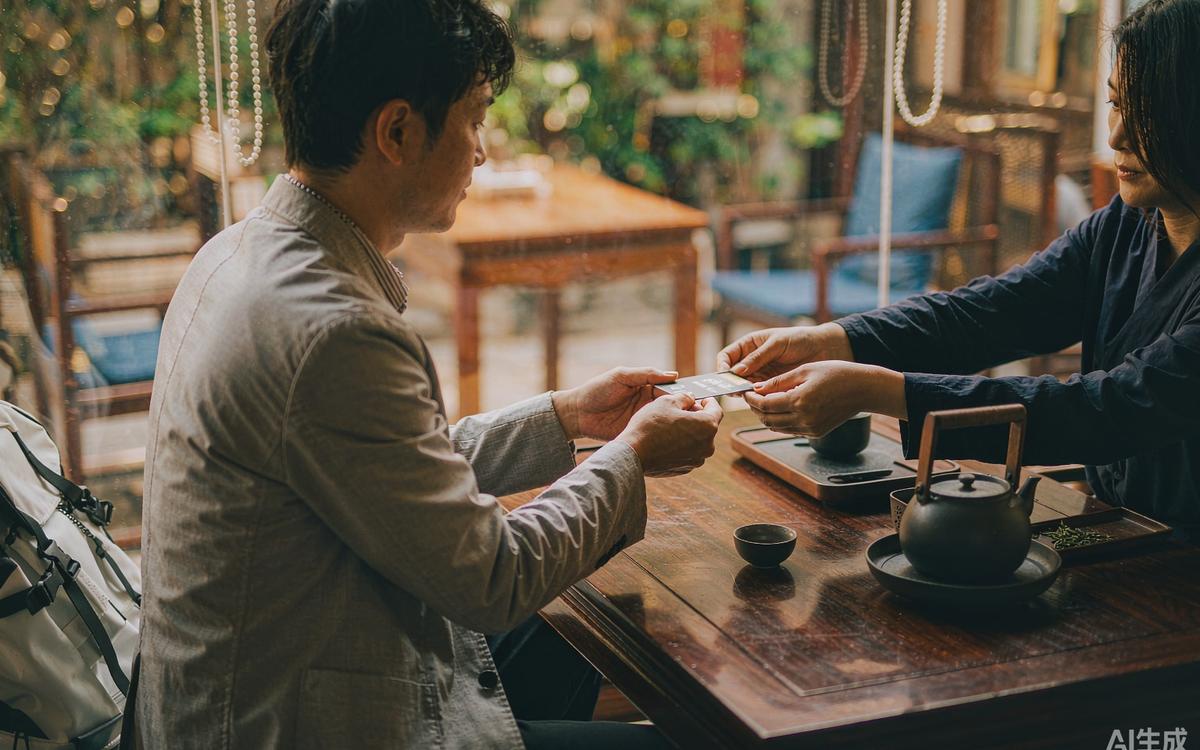
If you are invited to a home, bring something small and edible — fruit, pastries, tea, something from your own country. Avoid clocks, knives and anything in sets of four, all of which carry funerary associations. Gifts are often politely declined twice before being accepted; that is a formality, not a refusal.
“Face” is often explained badly. In practice it means: do not correct or embarrass someone in front of others, especially someone older or more senior. If a problem needs raising, do it privately and gently, and it will usually be fixed faster.
Temples and sacred places
At Buddhist and Taoist sites, dress covers shoulders and knees, and you walk clockwise around stupas and prayer halls. Do not photograph monks or worshippers without asking, and never pose in front of an altar with your back to it. Entrance is often free but a small donation is welcome; the box is usually obvious.
Photographs, queues and volume
Ask before photographing people, particularly older people in villages and anyone at work. Queues exist and are mostly respected, though personal space is smaller than you may be used to — standing close is not aggression. Phone calls on speaker in public are common and not considered rude; if it bothers you, that is a cultural difference, not an offence.
What nobody actually cares about
Whether you can use chopsticks well. Whether you bow. Whether you know the difference between Taoism and Buddhism. Being visibly interested and asking questions is worth more than any of it.
Quick answers
Questions travelers ask
Should I bow or shake hands?+
A handshake is safest in most situations. A nod and a smile is fine in casual settings; deep bowing is not a Chinese custom outside specific rituals.
Is it rude to refuse food I cannot eat?+
Not if you explain briefly — allergy, vegetarian, or simply full. Hosts will usually find you something else rather than take offence.
Do I need to bring gifts for guides?+
Not expected. Something small from your home country is a nice gesture and is remembered, but never required.