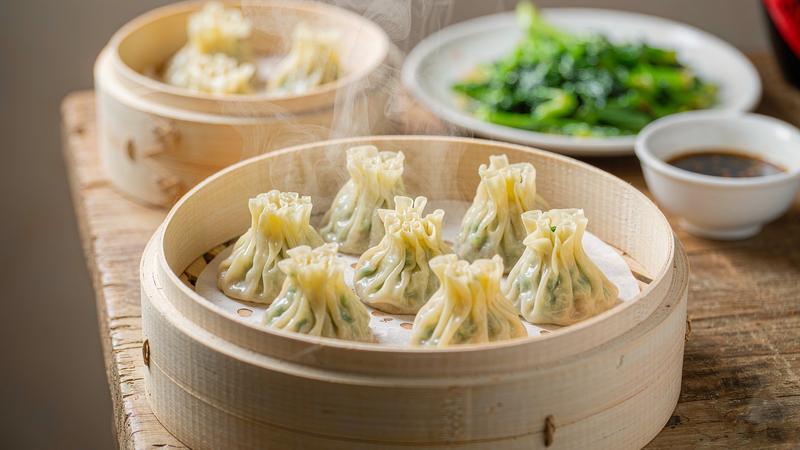
How to Order Food in China Without Speaking Chinese
Menus with photos, QR ordering, and the six phrases that cover almost every restaurant situation.
The menu problem is smaller than it looks
Most restaurants have either a photo menu, a QR code on the table, or a wall of pictures. Pointing is a completely normal way to order and nobody finds it strange. Where there are no pictures, a translation app in camera mode handles the rest.
How a Chinese meal is structured
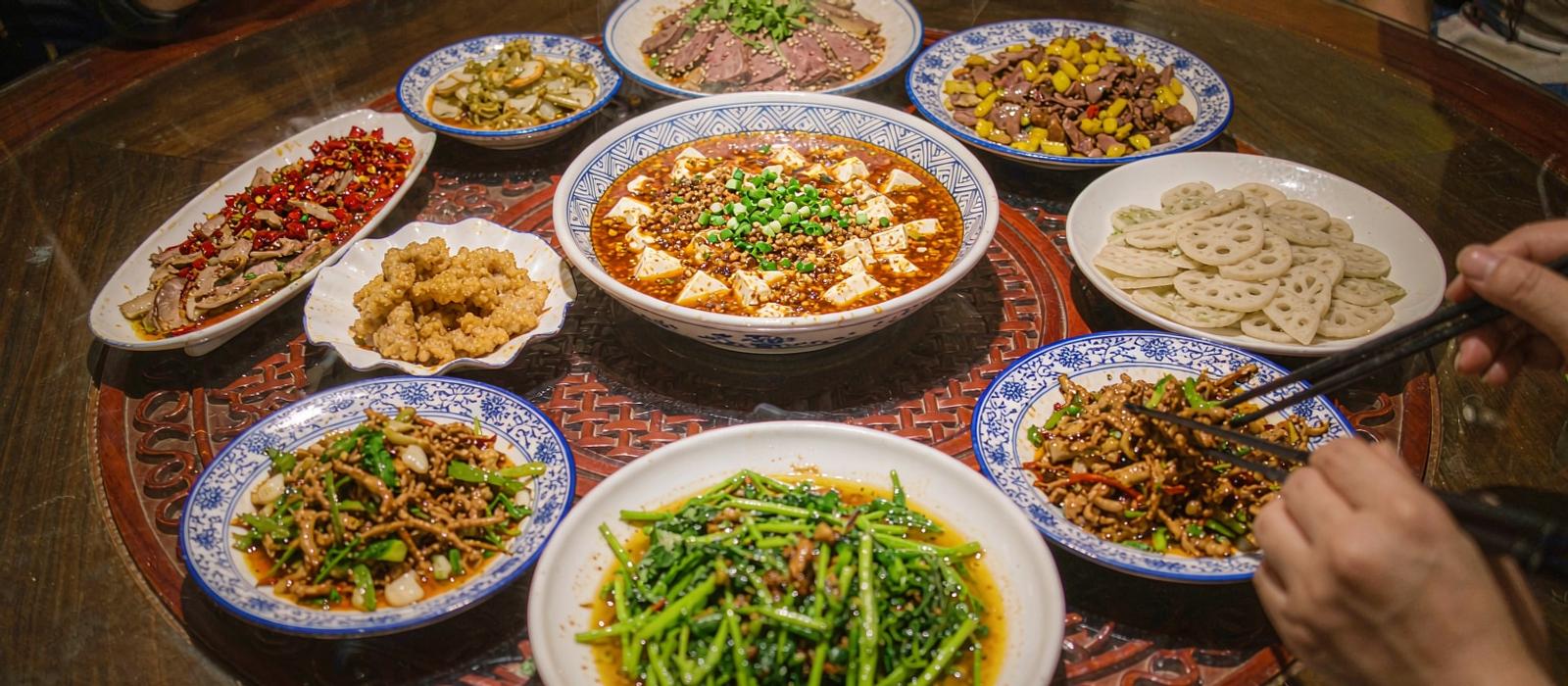
Food arrives in the middle and everyone shares. Ordering is per table, not per person: roughly one dish per person, plus rice or noodles, is a sensible starting point. Soup and a vegetable are usually added; a table without greens is considered incomplete.
Do not order a dish “for yourself” unless you want good-natured teasing. The unit of ordering is the table.
Six phrases that cover most situations
- 你好,几位?— “How many people?” — the first thing you will be asked
- 有英文菜单吗?— “Do you have an English menu?”
- 这个 — “this one”, while pointing; add 两个/一个 for quantity
- 不要辣 / 微辣 / 很辣 — no chilli / mildly spicy / very spicy
- 不要香菜 — no coriander (a common and specific dislike)
- 买单 — “the bill”, said at the end; 打包 if you want it boxed
Spice, and how to ask for it honestly
“微辣” in Sichuan or Hunan is not the same as “mild” in Europe. If you genuinely cannot take heat, ask for 不要辣 — and expect the kitchen to look slightly wounded. In Cantonese and Jiangnan restaurants the default is mild anyway.
Regional cheat sheet
- Sichuan and Chongqing — numbing (麻) and hot (辣); the sensation is tingling, not just burning
- Guangdong — steaming, gentle, focused on the ingredient; great for nervous palates
- Jiangnan (Hangzhou, Suzhou, Shanghai) — sweet-savoury braises, river fish, seasonal greens
- Northwest (Xi’an, Lanzhou) — wheat instead of rice: noodles, flatbreads, lamb
- Northeast — large portions, pickles, stews; the best value in the country
Tea, drinks and toasts
Tea is usually free and refilled without asking; leave the lid ajar to signal you want more. Beer is cheap and often drunk with food rather than before it. If someone toasts you, tap glasses and take a sip — draining the glass is optional and increasingly unusual among younger drinkers.
Paying
One person usually pays for the whole table, and splitting the bill is uncommon outside big cities. If you are the guest, offer once and let yourself be refused. Paying is done by scanning the QR at the counter or the one on the table.
Quick answers
Questions travelers ask
Is it safe to eat street food?+
Usually yes where there is a queue and high turnover. Choose stalls that are busy, food that is cooked to order, and avoid pre-cut fruit sitting out in the heat.
Do restaurants take foreign cards?+
Rarely. Pay by Alipay or WeChat, and keep some cash for the occasional shop with a broken reader.
How much should a meal cost?+
A good local restaurant runs 60–120 RMB per person; a bowl of noodles 15–30 RMB. Tourist-district pricing is the exception.